
Beloslyudov Fedor Nikolaevich
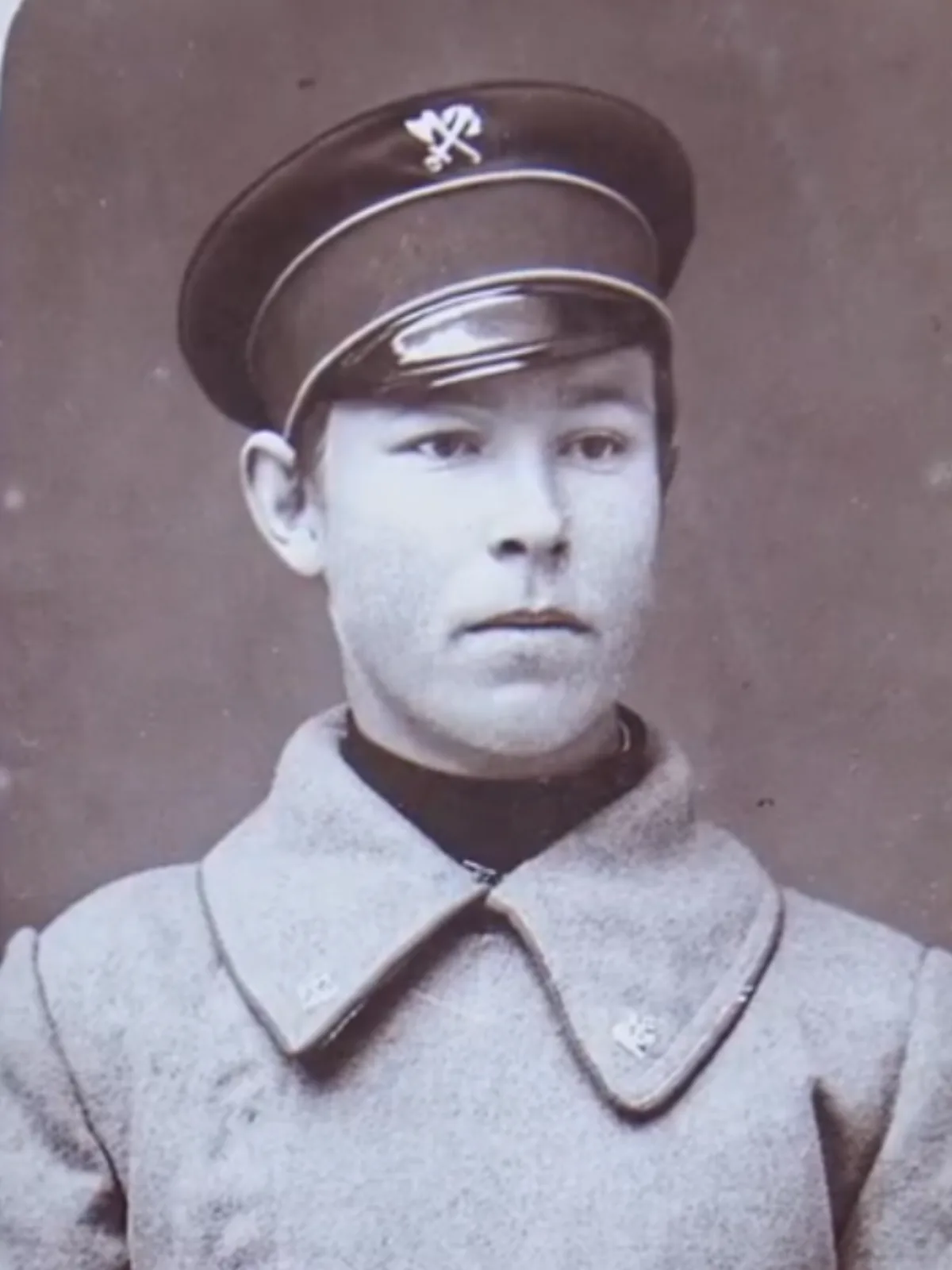
Beloslyudov Fyodor Nikolaevich (1885-09.07.1944) – local historian, photographer.
Fyodor Nikolaevich Beloslyudov grew up in a large family: he had three brothers — the older ones Nikolai and Viktor, and the youngest Alexei. After Alexei was born in 1887, their father passed away, and their mother Varvara Vasilievna raised the children alone, relying on a meager pension and occasional earnings. Despite the difficult living conditions, thanks to her care, all the siblings received a good education.
While studying at the city school, Fyodor began working as an apprentice photographer at the well-known Dyukov photo studio in Semey. After graduating from the five-grade school in 1900, he worked there for another two years. Photography became his true passion: Fyodor took many photographs and bought a personal camera, which was considered rare and expensive for that time. In 1902, he enrolled in the Tomsk Railway Technical School.
From 1914, Fyodor Nikolaevich worked at the Semey resettlement administration, rising from draftsman to senior hydraulic engineer of the district. He was a member of the Russian Geographical Society and, during official trips, photographed the streets, buildings, and surroundings of the city, leaving behind extremely valuable visual materials for the history of the region.
In 1906, the Beloslyudov brothers opened the first family local history museum in Semey. Each contributed to the collection: Alexei engaged in archaeological excavations, while Fyodor focused on photography.
When World War I began, Beloslyudov was drafted into the army, serving first as a warrant officer and later as a junior officer in reserve regiments. After being discharged from the army in 1918, he was elected as a deputy of the Semey Council. After the counter-revolutionary coup, he was arrested and imprisoned in the Omsk hard labor prison, but he managed to escape from there.
From 1920 to 1922, Fyodor Nikolaevich worked in provincial government bodies, later switching to economic activities and teaching.
On February 7, 1937, he was arrested and sentenced to 8 years in camps. In February 1944, he was released due to health reasons and passed away on July 9 of that year. He was rehabilitated on June 12, 1990.